

Determination of Gross Calorific Value in Coal and Coke with Sundy SDAC1200 Bomb Calorimeter According to ASTM D5865/D5865M-19
Introduction
As primary solid fuels and industrial feed-stocks, coal and coke are consumed in large volumes in power generation, iron and steel making, cement production and other industrial sectors. Calorific value ranks among the most critical quality indicators for these fuels: it defines their energy content, guides combustion control, and forms the basis of fuel valuation and commercial transactions. Given that the characteristics of coal and coke vary significantly with origin, rank and processing, accurate calorific value measurement is indispensable for quality assurance and efficient use of these resources. This paper focuses on the practical application of calorific value testing for coal and coke according to ASTM D5865 / D5865M-19, with a view to supporting its routine use in industry.
Method Reference
ASTM D5865 / D5865M-19 Standard Test Method for Gross Calorific Value of Coal and Coke
Summary of Method
The heat capacity of the calorimeter is determined by burning a specified mass of certified benzoic acid in oxygen. A comparable amount of the analysis sample is burned under the same conditions in the calorimeter. The calorific value of the analysis sample is computed by multiplying the corrected temperature rise, adjusted for extraneous heat effects, by the heat capacity and dividing by the mass of the sample.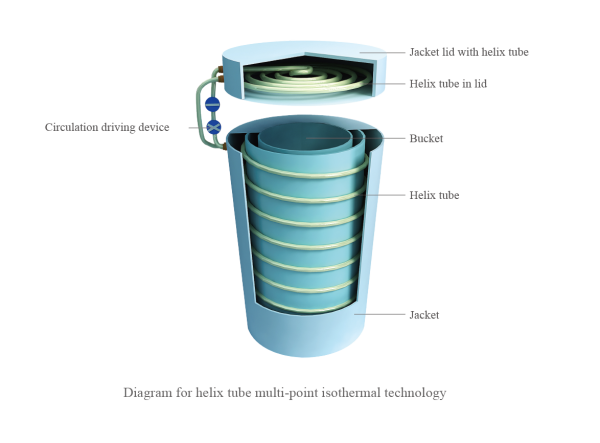
Reagents and aAccessories
Oxygen: manufactured from liquid air, guaranteed to be greater than 99.5 % pure, and free of combustible matter.
Reagent Water: conforming to the conductivity requirements for Type II of Specification D1193, used for the preparation of reagents and the washing of the combustion vessel interior.
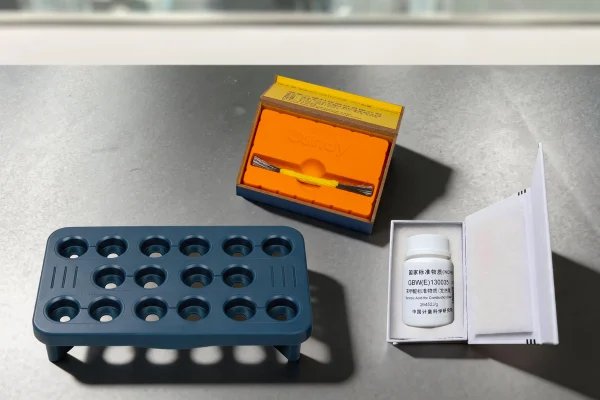
Benzoic acid: standard pellets (C6H5COOH), with a calorific value traceable to a recognized certified value.
Ignition fuse: Nickel-chromium alloy (Chromel C).
Sample Holder: an open crucible of platinum, quartz, or base metal alloy.
Sample Preparation
The analysis sample is the material pulverized to pass a 250 µm [No. 60] sieve, prepared in accordance with Practice D346 for coke or Practice D2013 for coal.
NOTE: Unnecessary exposure of the samples to the air for the time of sampling or delay in analysis shall be avoided, since oxidation of coal after sampling can result in a reduction of calorific value.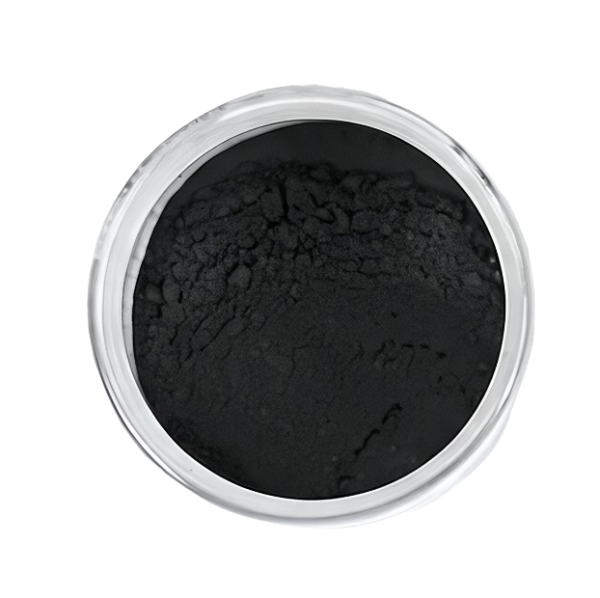
Testing Parameters
Combustion vessel: capable of withstanding a hydrostatic pressure test to 20 MPa [3000 psig] at room temperature
Oxygen pressure: 2 MPa to 3 MPa (the same pressure is used for each test)
Water added to the combustion vessel: 1.0 mL
Ambient temperature: 22 °C Jacket temperature: 28 °C
Bucket temperature: 26 °C Water tank temperature: 24 °C
Procedure
(1)Instrument Preparation
Prepare the instrument and the combustion vessel as outlined in the operator’s manual.
(2)Determination of the Heat Capacity of the Calorimeter
Select “Heat capacity” test mode in the instrument software.

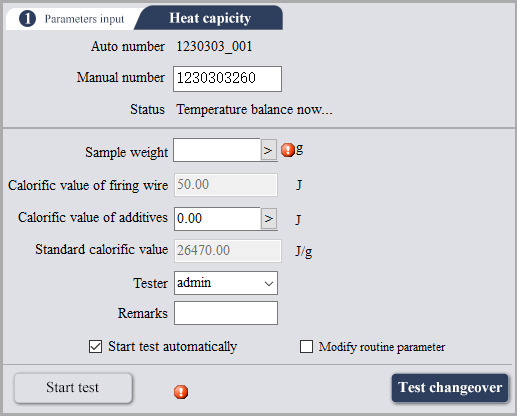
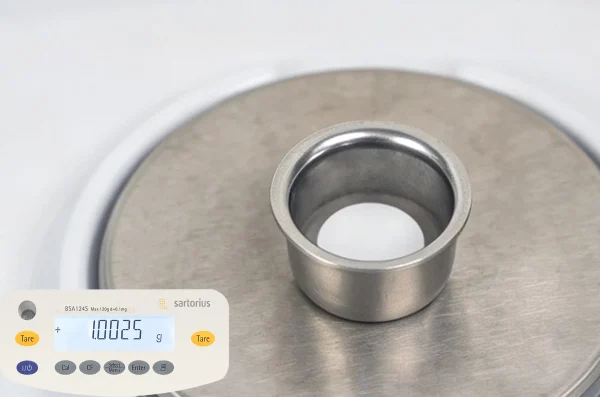
b. Weigh 0.8 g to 1.2 g of benzoic acid into a crucible and record the mass to the nearest 0.0001 g.
c. Add 1.0 mL of water into the combustion vessel before assembly, connect a measured fuse, assemble the vessel and admit oxygen to a consistent pressure between 2 MPa and 3 MPa.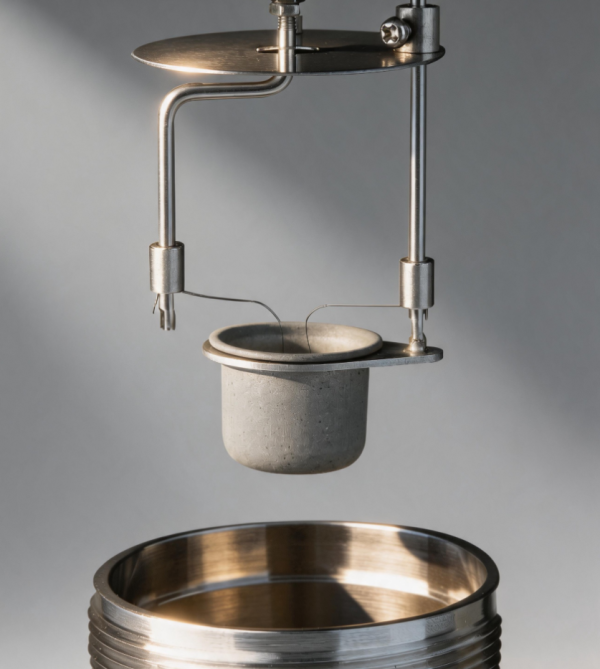
d. Complete a total of ten acceptable test runs. The precision of the ten calibration test runs shall have a relative standard deviation (RSD) no greater than 0.17 %. An individual test shall be rejected only if there is evidence of incomplete combustion.
(3)Valid wWorking rRange of the eEffective hHeat cCapacity
It should be possible to vary the amount of benzoic acid calibrant by at least ±25 % without observing a significant trend in the values obtained for the effective heat capacity or instrument calibration factor. The working limits for the instrument calibration shall be determined and defined in terms of the corrected temperature rise, and all subsequent measurements shall be kept within these limits.
A convenient way to check a previously calibrated calorimeter is to use benzoic acid as an unknown. The mean value for the heat of combustion from duplicate runs using 0.7 g and 1.3 g sample masses, respectively, should be within ± 56 J/g [± 24 Btu/lb] of the accepted heat of combustion value.
Examination of the applicable range of the instrument calibration should be carried out when the instrument is new, moved to a different location, or subject to major repair. Refer to the operator’s manual for the determination of gross calorific value.
(4)Determination of gGross cCalorific vValue
Select “Calorific value” test mode in the instrument software.
Weigh 0.8 g to 1.2 g of the analysis sample into a crucible for testing. The testing procedure is carried out in accordance with the heat capacity determination procedure. For coke, it is necessary to use 3 MPa [30 atm] pressure for both standardization and analysis.
Coal and coke samples shall be corrected for sulfur and moisture content. Enter the as-received sulfur value and the as-determined moisture value into the respective columns in the SDAC1200 software.
NOTE
Coal or coke that do not burn completely can be treated as follows:
For coke, the crucible shall be lined with a commercially produced quartz-fibre or aluminum liner.
Use a combustion aid such as benzoic acid, ethylene glycol, mineral oil, or a gelatin capsule, a minimum of 0.4 g of combustion aid shall be used.
Vary the mass of the sample to obtain complete combustion while confining the temperature rise within the valid working range of calibration.
Typical Results
| Sample ID | Mass (g) | qV,gr,dQ (J/g) | Diff. (J/g) | Repeatability limit (J/g) |
| 1# | 1.0684 | 30309.62 | 44.61 | 126 |
| 0.9682 | 30354.23 | |||
| 2# | 0.9455 | 31758.92 | 58.27 | 149 |
| 1.0583 | 31700.65 | |||
| 3# | 0.9621 | 20021.42 | 35.35 | 193 |
| 1.0026 | 20056.77 | |||
| 4# | 1.0411 | 24737.49 | 52.60 | 193 |
| 1.0379 | 24684.89 |
Summary
The experimental results show that the test repeatability of the four coal and coke samples falls within the repeatability limits specified by the standard (126 J/g to 193 J/g), demonstrating that the SDAC1200 calorimeter is fully compliant with ASTM D5865/D5865M-19 Standard Test Method for Gross Calorific Value of Coal and Coke.With automated operation, the instrument provides a reliable and efficient solution for routine calorific value testing in quality control, fuel valuation and trade settlement.
For more information about the Sundy SDAC1200 Bomb Calorimeter, please contact us by phone or email.
Phone: +86-731-88112150
Email: sales@sundytech.com
